
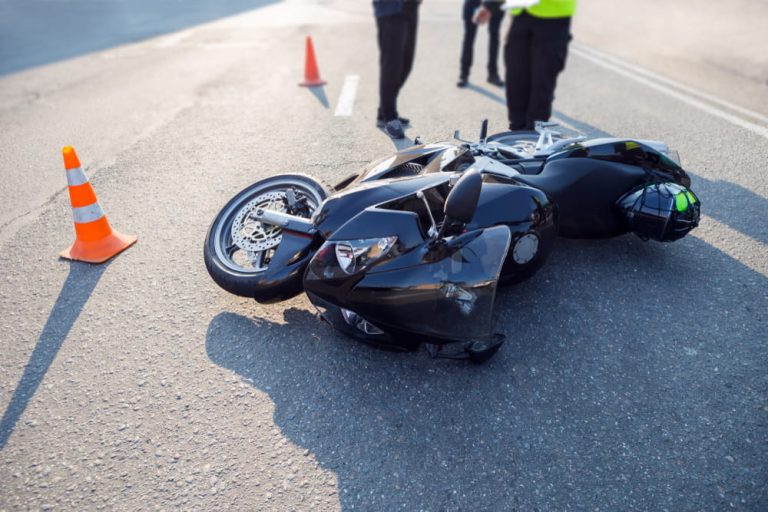
A motorcycle rider approaches a Manhattan intersection when a driver suddenly changes lanes, forcing the rider into a collision. The injuries can bring unexpected medical expenses and missed work, while insurance questions make recovery even more complicated. An NYC motorcycle accident claim may provide compensation when another driver or legally responsible party caused the crash.
Unlike most automobile passengers, motorcycle riders are generally precluded from seeking the benefits of New York’s no-fault insurance laws for reimbursement of medical and lost wage expenses. Consequently, liability insurance, health coverage, as well as any available uninsured/underinsured motorist coverage may be available to compensate your losses. An NYC motorcycle accident lawyer can advise you as to these possible sources of recovery.
Table of Contents
- Why NYC Motorcycle Claims Fall Outside Ordinary No-Fault Rules
- What Driver Conduct Commonly Causes Motorcycle Injury Claims?
- Which Legal Mistakes Can Undermine an NYC Rider’s Case?
- When Should You Contact an NYC Motorcycle Accident Lawyer?
- Frequently Asked Questions
Why NYC Motorcycle Claims Fall Outside Ordinary No-Fault Rules
Motorcycle claims require a separate look at fault, insurance coverage, injuries, and the rules that apply specifically to riders.
Who Can Be Held Responsible for an NYC Motorcycle Collision?
An NYC motorcycle accident claim usually begins with motorcycle crash fault. Possible defendants may include a negligent driver, vehicle owner, employer, another rider, or another party whose conduct caused the crash. New York Vehicle and Traffic Law § 388 generally makes a vehicle owner responsible for negligent operation by someone using the vehicle with express or implied permission.
Driver negligence may involve an unsafe turn, improper lane change, speeding, distraction, or opening a door into a rider’s path. Motorcyclists also have traffic duties. VTL § 1252 gives motorcycles full use of a lane but prohibits passing another vehicle within the same occupied lane and riding between lanes of traffic.
How Does the No-Fault Exclusion Change a Rider’s Insurance Claim?
The motorcycle no-fault exclusion is one of the biggest differences from an ordinary car case. DFS states that motorcycle operators and passengers are excluded from no-fault benefits and may pursue qualifying losses from the responsible party from the first dollar.
For NYC rider insurance, sources of payment may include the negligent driver’s liability coverage, health insurance, uninsured motorist coverage, and supplemental uninsured/underinsured motorist coverage, if applicable. SUM coverage amounts depend on the specific policy and elections made by the insured and should therefore be verified. New York’s minimum liability limits include $25,000 for injury to one person, $50,000 for injuries to two or more people, and $10,000 for property damage.
What Driver Conduct Commonly Causes Motorcycle Injury Claims?
The type of crash may suggest what went wrong, but liability still depends on the evidence.
How Do Left Turns, Lane Changes, and Doorings Create Liability?
Motorcycle crashes can happen when a driver turns left across an approaching rider, changes lanes into a motorcycle, pulls from a driveway, rear-ends a stopped bike, or opens a door into traffic.
Consider a rider riding on Queens Boulevard when the incoming car turns left on him. The investigation will look into the traffic signals, speed, position of vehicles, visibility, witnesses, surveillance cameras, and damages to both vehicles. A traffic violation can be an important piece of evidence. It cannot substitute the review of the whole accident, though.
What Can the Motorcycle and Crash Scene Reveal About Fault?
Useful evidence may include:
- photographs of the motorcycle and other vehicles;
- roadway, lane, signal, and sign photographs;
- skid marks, debris, and final vehicle positions;
- witness contact information;
- NYPD collision records;
- helmet-camera, dashcam, or surveillance video;
- damaged riding gear;
- medical records and injury photographs; and
- the motorcycle itself.
Physical damage can help test conflicting accounts of the crash. A badly damaged motorcycle or helmet should not automatically be repaired or discarded before its possible value as evidence is considered.
Which Legal Mistakes Can Undermine an NYC Rider’s Case?
Applying ordinary passenger-car rules to an injured motorcycle rider can lead to the wrong legal analysis.
Why Article 51 Rules Do Not Apply the Same Way to Riders
A New York motorcycle injury lawsuit generally falls outside the ordinary no-fault system for the injured motorcycle operator or passenger. Insurance Law § 5102 treats motorcycles separately, and DFS confirms that motorcycle occupants do not receive ordinary no-fault benefits.
That difference also has an effect on the serious-injury threshold. Section 5104 limits noneconomic recovery in certain actions involving covered persons. An injured motorcycle occupant is generally not a covered person receiving ordinary no-fault benefits, and therefore the usual threshold does not restrict the rider’s own claim to the same extent as it does many passenger-vehicle claims.
How Can Rider Fault and Missing Records Reduce Recovery?
New York’s general comparative-negligence rule remains important. CPLR § 1411(a) generally reduces damages according to the claimant’s share of fault rather than barring recovery completely.
The newer § 1411(b) greater-than-50% bar applies specifically to personal-injury actions subject to Article 51. It should not automatically be applied to an injured motorcycle occupant’s claim.
Missing proof can create a separate problem. Medical records, wage documents, photographs, repair records, video, and evidence of future limitations may all affect what can be recovered.
When Should You Contact an NYC Motorcycle Accident Lawyer?
Early review may be useful when injuries are serious, responsibility is disputed, insurance is limited, or evidence may disappear.
What Circumstances Make Early Investigation Especially Important?
Closer review may be appropriate after fractures, head injuries, surgery, lengthy rehabilitation, or substantial time away from work. Hit-and-run crashes, low liability limits, commercial vehicles, and uncertain UM or SUM coverage can create additional issues.
Roadway-defect cases may require faster investigation because a government entity could be involved. Surveillance footage can also disappear quickly. A minor crash with limited injuries does not automatically require extensive litigation.
How Can a Lawyer Sort Out Insurance, Fault, and Public Defendants?
An NYC motorcycle accident attorney can review police records, witness accounts, video, vehicle damage, insurance policies, and the conduct of each driver. Counsel can also examine shared fault and document medical, wage, and future losses.
Ordinary New York personal-injury negligence actions generally have a three-year filing period under CPLR § 214. Claims against New York City can require a Notice of Claim within 90 days and generally must be filed within one year and 90 days.
Frequently Asked Questions
Why Don’t NYC Motorcycle Riders Receive Ordinary No-Fault Benefits?
Motorcycle operators and passengers are generally excluded from New York’s ordinary no-fault system.
Does a Rider Need to Meet New York’s Serious-Injury Threshold?
Generally, not in the same way as a covered passenger-vehicle occupant. The exact analysis depends on the parties and claims involved.
Which Losses Can an Injured NYC Rider Claim?
Supported rider injury damages may include medical costs, lost income, reduced earning ability, motorcycle damage, pain and suffering, disability, and future losses.
How Does New York Treat Shared Fault in Motorcycle Cases?
Fault can reduce compensation. The 2026 greater-than-50% bar applies specifically to actions subject to Article 51 and should not automatically be applied to every motorcycle claim.
What Deadlines Apply When Filing an NYC Motorcycle Claim?
Ordinary negligence actions generally have a three-year deadline. Claims against New York City can involve a 90-day Notice of Claim and a one-year-and-90-day lawsuit deadline.